If you’re building pages to drive conversions, you’ve likely heard both terms, landing page and sales page, used almost interchangeably. But they are not the same.
While both are designed to convert visitors into customers or leads, they serve different purposes within your marketing funnel. One focuses on capturing interest. The other is built to close the sale.
Choosing the wrong one can dilute your messaging, reduce conversions, and create friction in your buyer’s journey. A landing page is typically designed to generate leads or drive a single action with minimal commitment. A sales page, on the other hand, is built to persuade visitors to make a direct purchase or high-commitment decision.
In this guide, I’ll break down the real differences between a landing page and a sales page, when to use each, and how to decide which one aligns with your offer, audience, and revenue goals.
What Is a Landing Page?

A landing page is a standalone web page built to drive one specific conversion. It is not meant for browsing or exploration. It exists to move a visitor toward a single action.
Whether that action is capturing an email, booking a demo, or making a purchase, everything on the page is designed around that goal. Visitors typically arrive after clicking an ad, email, or campaign link, and the page aligns tightly with that message.
In simple terms, a landing page turns attention into action.
What Is a Sales Page?
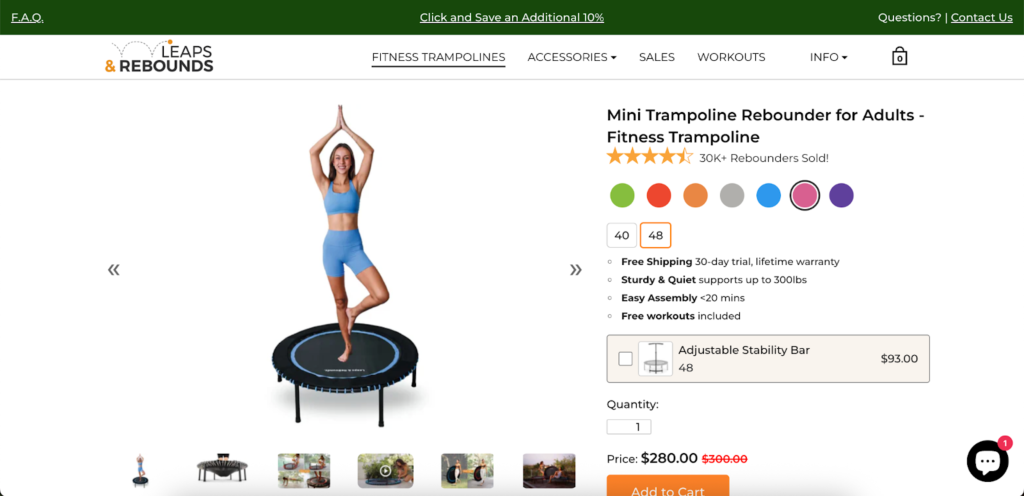
A sales page is a web page designed specifically to persuade a visitor to make a purchase or commit to a paid offer.
Unlike a typical landing page that may collect leads first, a sales page goes directly for the conversion. Its goal is not just capturing interest, but closing the sale.
Sales pages usually include persuasive copy, benefits, proof, testimonials, pricing details, and clear calls to action. They are often longer than standard landing pages because they must address objections, build trust, and justify the investment.
In simple terms, a sales page turns interest into revenue.
Landing Page vs Sales Page: Key Differences
At a glance, both landing pages and sales pages are built to convert. But the type of conversion, and the level of commitment involved, is what separates them.
A landing page is designed to capture interest. It usually asks for a low-commitment action such as signing up, registering, or requesting more information. The goal is to move the visitor one step forward in the funnel, not necessarily to close the sale immediately.
A sales page, on the other hand, is built to secure a direct purchase or paid commitment. It assumes the visitor is closer to making a decision and focuses heavily on persuasion. Because money is involved, the page must justify value, address objections, and build trust before asking for the final action.
The difference also shows in structure. Landing pages are typically shorter and more focused because they reduce friction. Sales pages are often longer because they increase persuasion. The higher the commitment required, the more explanation and proof the page must provide.
Another key distinction lies in audience awareness. Landing pages often target colder or mixed traffic and aim to initiate engagement. Sales pages perform best when the audience already understands the problem and is evaluating solutions.
In simple terms:
A landing page captures leads.
A sales page captures revenue.
The right choice depends on where your audience stands in the buying journey and how much commitment you are asking from them.
When to Use a Landing Page
A landing page works best when your goal is to move visitors one step forward, not close the entire sale immediately.
You should use a landing page when:
1. You’re Running Paid Advertising
If you’re paying for clicks through Google Ads, Meta, or LinkedIn, sending traffic to a homepage often reduces conversions. A landing page keeps the message aligned with the ad and guides visitors toward one clear action.
2. You Want to Generate Leads
If your objective is to collect email addresses, demo requests, or consultation bookings, a focused landing page increases completion rates by removing distractions.
3. You’re Promoting a Free Offer or Event
Webinars, challenges, downloads, and free trials require low commitment. A landing page helps present the value clearly and capture sign-ups efficiently.
4. You’re Testing Messaging or Offers
Landing pages are ideal for A/B testing. You can experiment with headlines, positioning, and CTAs without affecting your main website structure.
5. Your Audience Is Still Early in the Funnel
If visitors are discovering your brand for the first time, asking for a purchase may create friction. A landing page allows you to start the relationship before selling.
In short, use a landing page when clarity, alignment, and low commitment are more important than immediate revenue.
When to Use a Sales Page
A sales page is the right choice when your goal is immediate revenue, not lead collection.
You should use a sales page when:
1. You’re Selling a Paid Product or Service
If visitors are expected to purchase, enroll, or subscribe directly on the page, you need a sales page. It provides the persuasion, proof, and pricing clarity required before asking for money.
2. Your Offer Requires Justification
Higher-priced or complex offers increase perceived risk. When risk increases, buyers look for reassurance before committing.
That’s why expensive or multi-step offers rarely convert on short pages. They require space to justify the investment, address objections, show proof, and reduce uncertainty.
A sales page exists for that reason, not because it is longer, but because the decision requires more confidence.
3. Your Audience Is Warm or Decision-Ready
If traffic already knows your brand, through email lists, retargeting ads, or prior engagement, they don’t need nurturing. They need convincing.
For example:
- A SaaS company running retargeting ads to users who already signed up for a free trial should send them to a pricing-focused sales page, not a lead capture form.
- An online course creator emailing their subscriber list about enrollment should direct traffic to a long-form sales page that includes testimonials, syllabus breakdown, and pricing.
- An e-commerce brand retargeting abandoned cart visitors should send them to a sales page that reinforces product benefits and trust signals, not a generic homepage.
In these cases, the audience already understands the problem. The page’s job is not to educate, it’s to remove hesitation and secure the purchase.
That’s what a sales page is built to do.
4. You’re Launching a Course, Program, or Premium Offer
Digital products, coaching programs, SaaS subscriptions, and high-ticket services often perform better with long-form sales pages that build value before asking for commitment.
5. You Want to Maximize Revenue Per Visitor
Instead of collecting leads and selling later, a sales page aims to convert interest into revenue in a single step.
In short, use a sales page when the visitor is ready to buy, and your job is to remove doubt and secure the decision.
Can a Landing Page Also Be a Sales Page?
Yes, but it depends on intent.
Technically, every sales page is a type of landing page because visitors “land” on it from a traffic source. However, not every landing page is a sales page.
The difference comes down to purpose.
A landing page can function as a sales page if its primary goal is to drive a direct purchase or paid commitment. In that case, it includes persuasive copy, pricing details, testimonials, guarantees, and strong calls to action, all focused on closing the sale.
However, many landing pages are built for lead generation rather than direct revenue. They capture emails or registrations first, then nurture the lead before selling later.
So while the terms are sometimes used interchangeably, the strategic difference lies in conversion type:
- If the page asks for money, it behaves like a sales page.
- If the page asks for contact details, it behaves like a lead-generation landing page.
In practice, the structure may look similar. The goal is what defines it.
How Landing Pages and Sales Pages Work Together
Landing pages and sales pages are not competitors. They often work as part of the same conversion system.
In many funnels, a landing page captures interest first. It collects contact details through a low-commitment offer, such as a webinar, free guide, or demo request. Once the lead is nurtured through email or retargeting, traffic is then directed to a sales page designed to close the purchase.
In this structure:
- The landing page builds the relationship.
- The sales page converts the relationship into revenue.
They can also work together within the same campaign. For example, paid ads may drive cold traffic to a lead-generation landing page. Retargeting ads can then send those engaged visitors to a long-form sales page with pricing and testimonials.
The sequence depends on the commitment level. The higher the price or complexity of the offer, the more likely you’ll need both stages.
When aligned correctly, landing pages warm up traffic, and sales pages finish the job. Together, they create a smoother buyer journey instead of forcing visitors to jump from awareness to purchase too quickly.
Real-World Funnel Example: How They Work in Practice
To understand how landing pages and sales pages differ, it helps to look at a simple funnel example.
Imagine a SaaS company offering a project management tool.
- Step 1: Paid Ad → Landing Page
Cold traffic clicks a Google Ad that promises a “Free Productivity Audit Template.”
They land on a short, focused landing page that collects their email in exchange for the template. - Step 2: Email Nurture → Trust Building
Over the next few days, they receive emails showing how teams improved efficiency using the tool. - Step 3: Retargeting → Sales Page
Once interest is established, retargeting ads send them to a long-form sales page explaining pricing, features, case studies, and guarantees.
In this sequence:
- The landing page captures attention.
- The sales page captures revenue.
The first reduces friction.
The second removes doubt.
That’s how both pages work together instead of competing with each other.
Common Mistakes When Choosing Between Them
Choosing between a landing page and a sales page isn’t just about design, it’s about strategy. Here are the most common mistakes businesses make:
1. Using a Landing Page When You Should Be Selling
Some businesses collect leads when the audience is already ready to buy. If traffic is warm and decision-ready, forcing users to “sign up first” can slow down revenue and reduce conversions.
If people are prepared to purchase, give them the opportunity to do so directly.
2. Sending Cold Traffic to a Sales Page
Cold visitors who have never heard of your brand may not be ready to buy immediately. Sending them to a long-form sales page without context can create resistance and increase bounce rates.
In this case, a lead-focused landing page can warm them up first.
3. Mixing Objectives on One Page
Trying to collect leads and sell a product on the same page often confuses visitors. Multiple goals create friction. A page should have one clear primary objective.
Clarity converts better than complexity.
4. Ignoring Audience Awareness
A page built for warm leads won’t perform the same for cold traffic. Understanding where your audience stands in the buying journey should guide your page choice.
The more aware the audience is, the more direct your page can be.
5. Choosing Based on Trend Instead of Intent
Some businesses create long-form sales pages simply because others do. Others overuse minimal landing pages without considering the commitment level required.
The correct page type depends on your offer, price point, and audience readiness, not what’s popular.
Avoiding these mistakes ensures your page aligns with buyer psychology instead of working against it.
Final Verdict: Which One Should You Use?
There isn’t a universally “better” option between a landing page and a sales page. The right choice depends entirely on your objective and your audience’s readiness.
If your goal is to capture interest, build a list, or move cold traffic into your funnel, use a landing page. It lowers commitment and starts the relationship.
If your goal is immediate revenue and your audience is ready to decide, use a sales page. It provides the persuasion and proof needed to justify payment.
In many cases, the strongest strategy is not choosing one over the other, but using both in sequence. A landing page warms the lead. A sales page closes the sale.
The real question isn’t which page is better. It’s where your audience stands in the buying journey, and how much commitment you’re asking for.
Frequently Asked Questions
1. What is the main difference between a landing page and a sales page?
A landing page is typically designed to generate leads or move visitors one step forward in the funnel. A sales page is built to drive a direct purchase or paid commitment. The difference comes down to conversion type and commitment level.
2. Can a sales page be considered a landing page?
Yes. Technically, a sales page is a type of landing page because visitors land on it from a traffic source. However, not all landing pages are sales pages; many are focused on lead generation instead of direct revenue.
3. Which converts better: a landing page or a sales page?
It depends on audience readiness. Landing pages often convert better for cold traffic and low-commitment offers. Sales pages convert better when the audience is warm and ready to buy.
4. Should I send paid traffic to a landing page or a sales page?
If the traffic is cold, a landing page usually performs better by capturing interest first. If the traffic is retargeted or already familiar with your brand, a sales page may generate higher revenue directly.
5. Is a long sales page always better than a short one?
No. The length should match the complexity and price of the offer. Higher-priced or complex products often require longer pages to build trust and address objections.
6. Can I combine both on the same page?
You can, but clarity matters. If you mix lead capture and direct selling on one page without a clear primary objective, it may reduce conversions. Each page should have one dominant goal.