When I first started working with marketing pages, I kept seeing the terms splash page and landing page used almost interchangeably. At first, they sounded like the same thing, but they actually serve very different purposes.
A splash page is usually a quick gateway screen, something visitors see before entering a website. A landing page, on the other hand, is built to drive a specific action, like signing up, downloading a resource, or making a purchase.
Understanding this difference matters. For example, research from WordStream shows that the average landing page conversion rate across industries is about 2.35%, which means even small improvements in page design can significantly impact results.
In this guide, I’ll break down the key differences between splash pages and landing pages, show examples, and explain when each one actually makes sense to use.
What Is a Splash Page?
A splash page is a brief introductory screen that appears before a visitor reaches the main content of a website. I usually think of it as a gateway page that delivers a single message before letting users continue to the actual site.
Businesses often use splash pages for announcements, promotions, age verification, or language and region selection. Instead of detailed information, the goal is to capture attention quickly and guide visitors to the next step.
Most splash pages include very little content, typically a strong visual, a short message, and one action such as “Enter Site,” “Select Country,” or “Verify Age.” Visitors usually spend only a few seconds on them before moving to the main website.
What Is a Landing Page?
A landing page is a standalone web page designed to get visitors to take a specific action. I usually create landing pages for marketing campaigns where the goal is clear, signing up for a newsletter, downloading a guide, registering for a webinar, or purchasing a product.
Unlike regular website pages, a landing page focuses on one main offer and a clear call-to-action. It typically includes a strong headline, supporting details about the offer, visuals, and a form or button that encourages visitors to convert.
Because of this focused design, landing pages are widely used in advertising and email campaigns to turn traffic into leads or customers. According to WordStream, the average landing page conversion rate across industries is about 2.35%.
Splash Page vs Landing Page: Quick Comparison
The table below highlights the key differences between a splash page and a landing page.
| Feature | Splash Page | Landing Page |
| Purpose | Introduce a message before entering the website | Drive a specific action like sign-ups or purchases |
| Content | Very brief with minimal text | Detailed and persuasive content |
| User Interaction | Usually one simple action (Enter site, verify age) | Multiple interaction elements like forms and CTAs |
| Navigation | Little or no navigation options | Structured layout guiding users toward conversion |
| Time on Page | Visitors stay only a few seconds | Visitors spend more time exploring the offer |
| SEO Impact | Usually limited SEO value | Often optimized to rank and attract traffic |
| Role in Marketing | Used for announcements or gateway messages | Used in marketing campaigns to generate leads or sales |
| Position on Website | Appears before the main site or homepage | Exists as a standalone page within campaigns |
Splash Pages vs Landing Pages: Key Differences
While splash pages and landing pages may look similar, they serve different roles on a website. I usually see splash pages used as short gateway screens, while landing pages are designed to guide visitors toward a specific action. Here are the main differences.
Purpose
A splash page introduces a quick message before visitors enter a website. A landing page focuses on converting visitors through a specific call-to-action.
Content
Splash pages contain very little content, often just a visual and a short message. Landing pages provide more detailed information to persuade visitors to take action.
User Interaction
Splash pages typically offer only one simple action, such as entering the site or verifying age. Landing pages include interactive elements like forms, buttons, and CTAs.
Navigation
Splash pages usually have minimal navigation. Landing pages guide visitors through the content toward a conversion goal.
Do Splash Pages Affect SEO?
Splash pages usually provide very little SEO value because they contain minimal text and limited internal links. Since search engines rely on content and structure to understand a page, splash pages often don’t have enough information to rank well in search results.
In many cases, splash pages also act as a gateway before visitors reach the main content of a website. Because of this, search engines typically focus on indexing the actual pages behind the splash screen rather than the splash page itself.
That said, splash pages can still affect SEO indirectly. If they slow down page loading or block users from reaching the main content easily, they may create a poor user experience. For this reason, I usually recommend using splash pages only when they serve a clear purpose, such as age verification or region selection.
When Should You Use a Splash Page?
I usually consider using a splash page when there’s a single message or requirement visitors need to see before accessing the main website. Since splash pages appear before the actual content, they work best when the goal is to quickly communicate something important.
Common situations where splash pages are useful include age verification for restricted products, country or language selection for international websites, major announcements, or limited-time promotions. In these cases, a splash page helps deliver the message upfront before users continue to the main site.
However, I try to use splash pages carefully. If they appear too often or delay access to the website unnecessarily, they can interrupt the user experience.
When Should You Use a Landing Page?
I usually use a landing page when the goal is to encourage visitors to take a specific action. Landing pages work best for marketing campaigns where traffic comes from sources like ads, emails, or social media.
Common use cases include promoting a product, collecting leads, offering a free trial, registering users for a webinar, or downloading a guide. In these situations, a landing page helps focus the visitor’s attention on a single offer and a clear call-to-action.
Splash Page vs Landing Page Examples
Splash Page Examples
1. Age Verification Splash Page
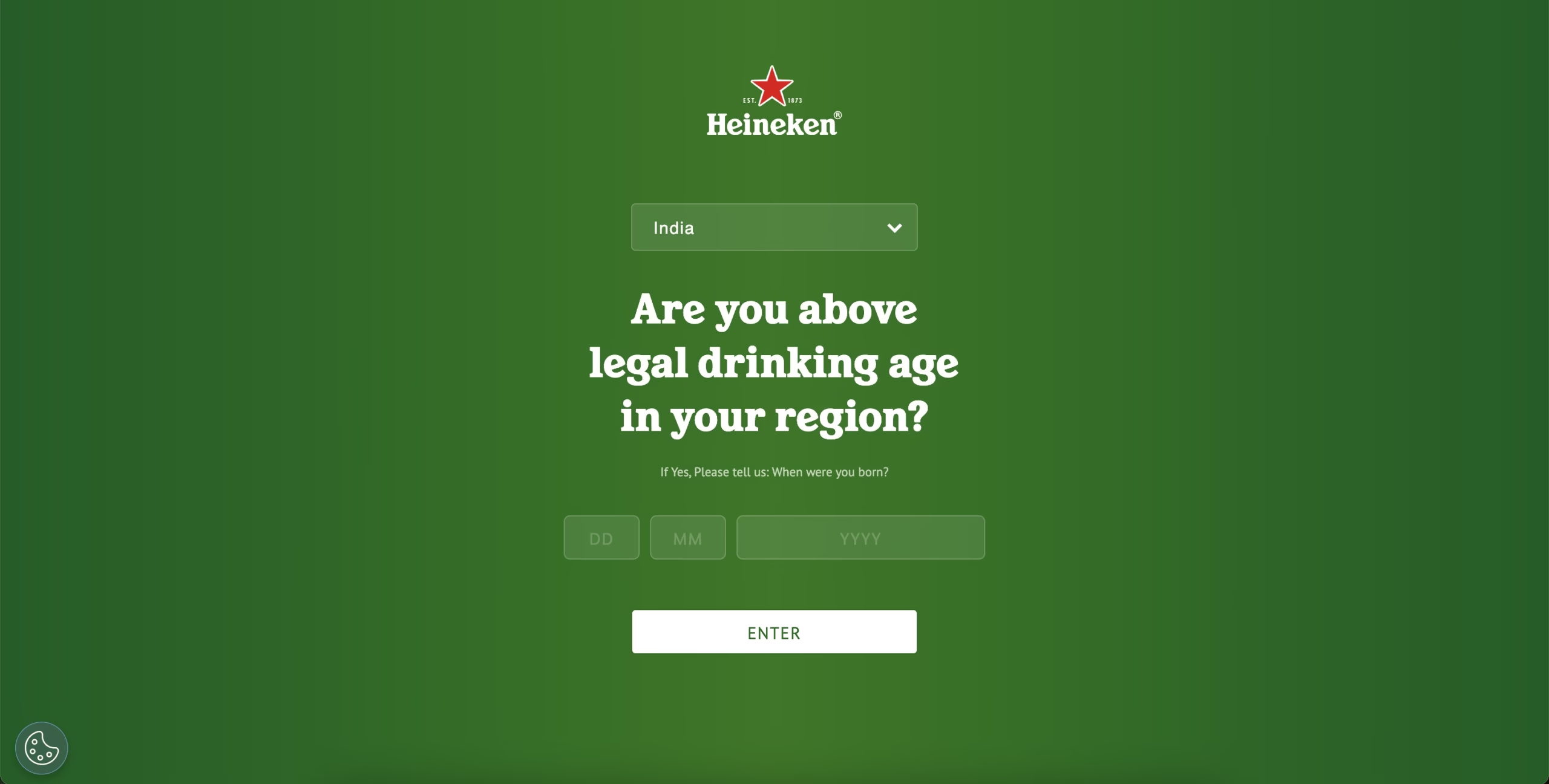
The Heineken website displays an age verification splash page before visitors can enter the site. Users are asked to provide their birthdate to confirm they meet the legal drinking age in their region before accessing the content.
2. Country / Language Selection Splash Page

The Zara website uses a splash page that asks visitors to select their country and language before entering the store. This ensures users are directed to the correct regional version of the site.
3. Content / Membership Gate Splash Pages
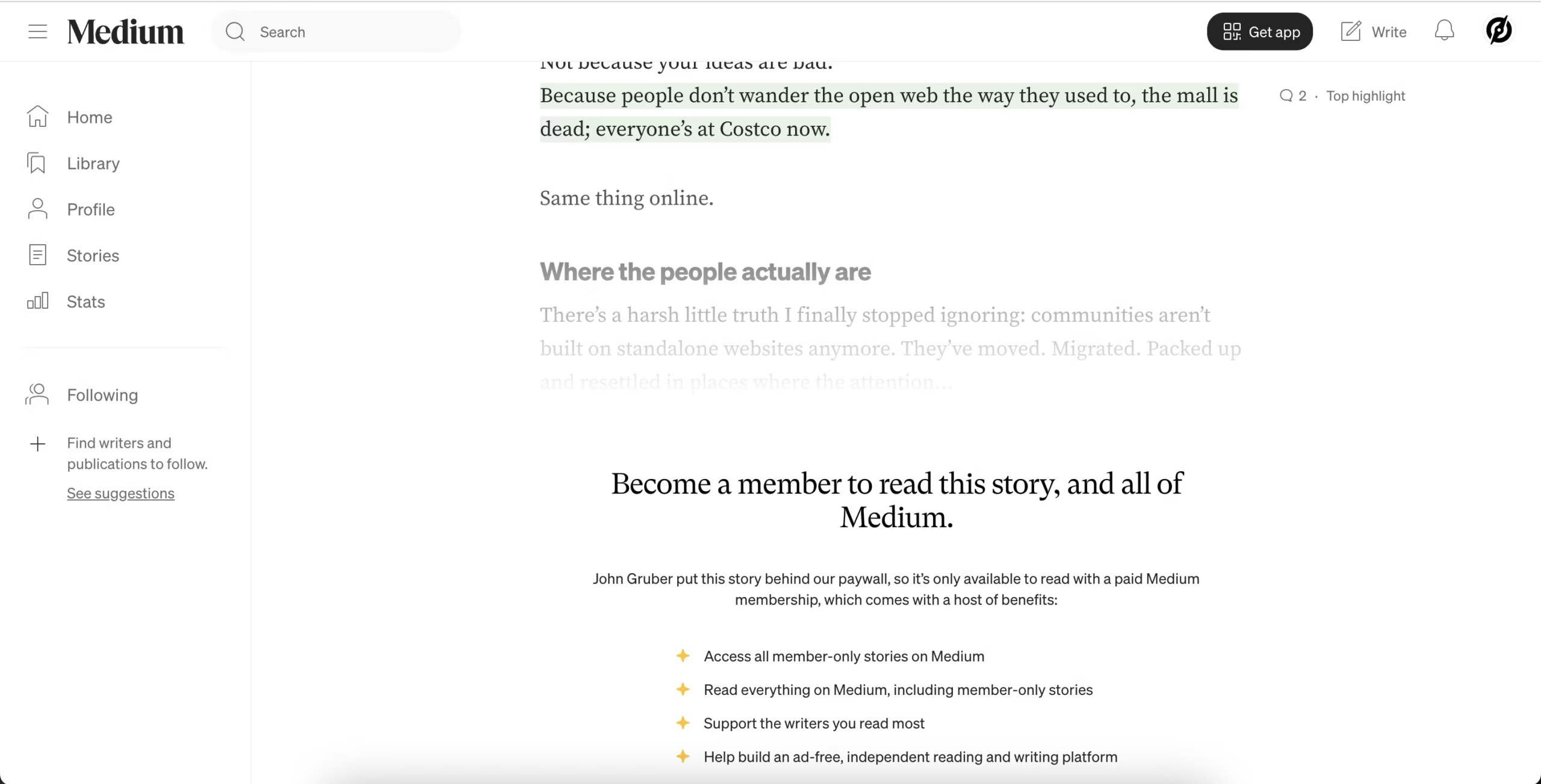
The Medium platform shows a splash-style sign-up screen after visitors read a few free articles. The page encourages users to create an account or subscribe to continue reading.
Landing Page Example
1. Free Trial Landing Page – Articulate 360
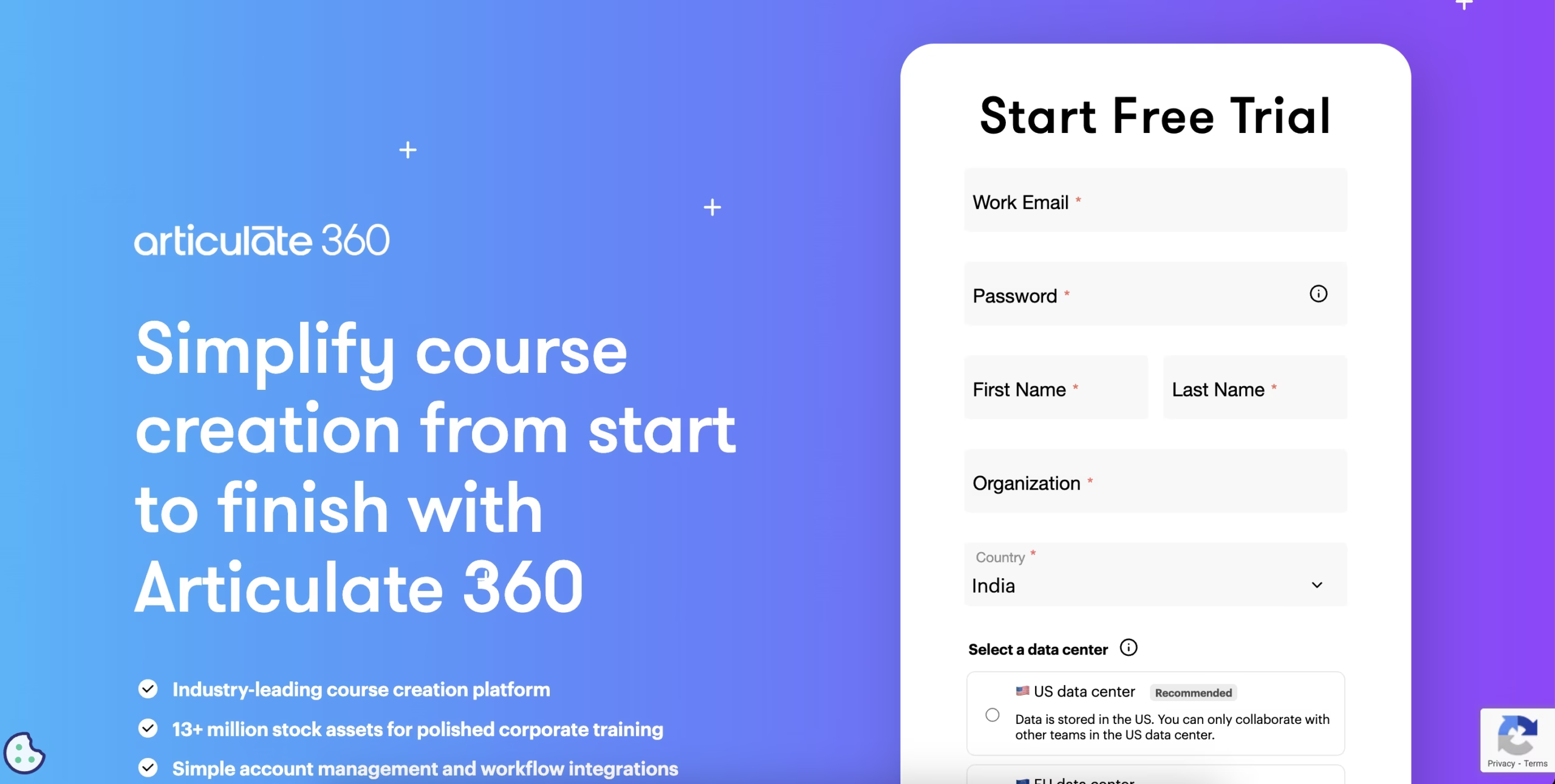
The Articulate 360 landing page is designed to encourage visitors to start a free trial. It explains the product features, shows testimonials and trust signals, and guides users toward signing up with a clear “Start Free Trial” call-to-action.
Splash Page vs Landing Page vs Homepage
Each of these page types serves a different role in a website. Splash pages act as a quick gateway message, landing pages focus on driving conversions, and homepages provide an overview that helps visitors explore the website.
| Feature | Splash Page | Landing Page | Homepage |
| Purpose | Deliver a quick message before entering the site | Drive a specific action like sign-ups or purchases | Introduce the brand and guide visitors across the website |
| Content | Very brief with minimal text | Focused content around a single offer | Broad content covering multiple sections of the site |
| Navigation | Usually minimal or none | Limited navigation to keep focus on conversion | Full navigation menu to explore the website |
| User Goal | Verify information or see an announcement | Convert visitors into leads or customers | Help visitors explore products, services, or information |
| Traffic Source | Direct website visits | Ads, email campaigns, or marketing links | Direct traffic, search engines, and referrals |
| SEO Impact | Typically low SEO value | Often optimized for specific keywords | Important for overall website SEO |
| Position on Website | Appears before the main site | Standalone page within campaigns | Main entry point of the website |
Pros and Cons of Splash Pages and Landing Pages
Both splash pages and landing pages serve different purposes. Each has its own advantages and limitations depending on the goal.
Splash Page Pros and Cons
Pros
- Quickly delivers an important message before visitors enter the website
- Useful for age verification, announcements, or region selection
- Can create a strong first visual impression
Cons
- Adds an extra step before visitors reach the main content
- Can interrupt the user experience if used too often
- Typically provides little SEO value
Landing Page Pros and Cons
Pros
- Designed to drive conversions with a clear call-to-action
- Focuses visitors on a single offer or goal
- Can be optimized for ads, campaigns, and search traffic
Cons
- Requires more effort in design, copy, and optimization
- Poorly designed landing pages can reduce conversions
- Needs regular testing and updates to improve performance
Best Practices for Using Splash Pages
- Keep the message extremely focused. A splash page should communicate one clear message or requirement before the visitor enters the main website.
- Limit the amount of content. Splash pages work best when they include only a short message, a strong visual, and a single action.
- Provide a clear next step. Include a visible button such as “Enter Site,” “Verify Age,” or “Select Country” so visitors know exactly how to proceed.
- Avoid blocking access unnecessarily. Use splash pages only when there is a real reason, such as legal verification or an important announcement.
- Ensure fast loading and simple design. Since this page appears before the main site, slow loading can frustrate visitors and increase bounce rates.
- Optimize for mobile users. Many visitors will encounter the splash page on a mobile device, so the design should be simple and easy to interact with.
Best Practices for High-Converting Landing Pages
- Focus on one clear goal. I usually design landing pages around a single action, such as signing up, downloading a resource, or starting a free trial. Too many options can reduce conversions.
- Write a strong, benefit-driven headline. The headline should quickly explain what the offer is and why it matters to the visitor.
- Highlight the value of the offer. Clearly explain how the product, service, or resource helps solve a problem or improves the user’s situation.
- Use a clear and visible call-to-action. Buttons like “Start Free Trial,” “Download Now,” or “Get Started” should stand out and guide visitors toward the next step.
- Add trust signals. Testimonials, reviews, customer logos, or guarantees can help build credibility and reduce hesitation.
- Remove unnecessary distractions. Limiting navigation and external links helps keep visitors focused on the conversion goal.
- Ensure the page loads quickly and works well on mobile. Fast-loading and mobile-friendly landing pages improve both user experience and conversion rates.
Conclusion: Splash Page vs Landing Page
Splash pages and landing pages may appear similar, but they serve very different purposes. I usually see splash pages used as quick gateway screens that deliver a short message before visitors enter a website. Landing pages, on the other hand, are designed to guide visitors toward a specific action such as signing up, downloading a resource, or making a purchase.
Choosing the right page depends on the goal. Splash pages work best for announcements, verification steps, or region selection, while landing pages are essential for marketing campaigns focused on conversions. Understanding when to use each can help create a smoother user experience and more effective marketing results.
Frequently Asked Questions
What is the main difference between a splash page and a landing page?
A splash page appears before the main website and delivers a short message or requirement, such as age verification or region selection. A landing page is a standalone page designed to encourage visitors to take a specific action, like signing up or making a purchase.
Are splash pages bad for SEO?
Splash pages usually have minimal content and limited internal links, so they typically provide little SEO value. Landing pages, however, can be optimized for keywords and search visibility.
Are splash pages still used today?
Yes, splash pages are still used for specific purposes such as age verification, language selection, or important announcements before visitors enter the website.
Can a splash page collect leads?
Splash pages can include simple forms or email sign-ups, but they are generally not designed for full lead generation campaigns like landing pages.
Is a homepage the same as a landing page?
No, a homepage provides an overview of a website with multiple navigation options, while a landing page focuses on a single goal or offer designed to convert visitors.