Creating a restaurant landing page can be challenging. You need strong food visuals, clear calls to action, and a layout that encourages visitors to book a table, explore the menu, or place an order.
Many restaurant owners and marketers struggle with where to begin. Designing a page from scratch takes time, and without the right structure, visitors may leave without taking action.
This is where landing page templates help. A good template already includes the key sections that guide visitors toward reservations or orders.
Research from HubSpot shows that the average landing page conversion rate across industries is about 5.89%, while high-performing pages can reach 10% or more.
To make things easier, I reviewed several restaurant landing page templates and selected the ones that stand out for design, usability, and marketing potential.
Below are 8 restaurant landing page templates worth considering.
8 Best Restaurant Landing Page Templates for Your Business
1. Restaurant Online Ordering Landing Page Template (Landingi)
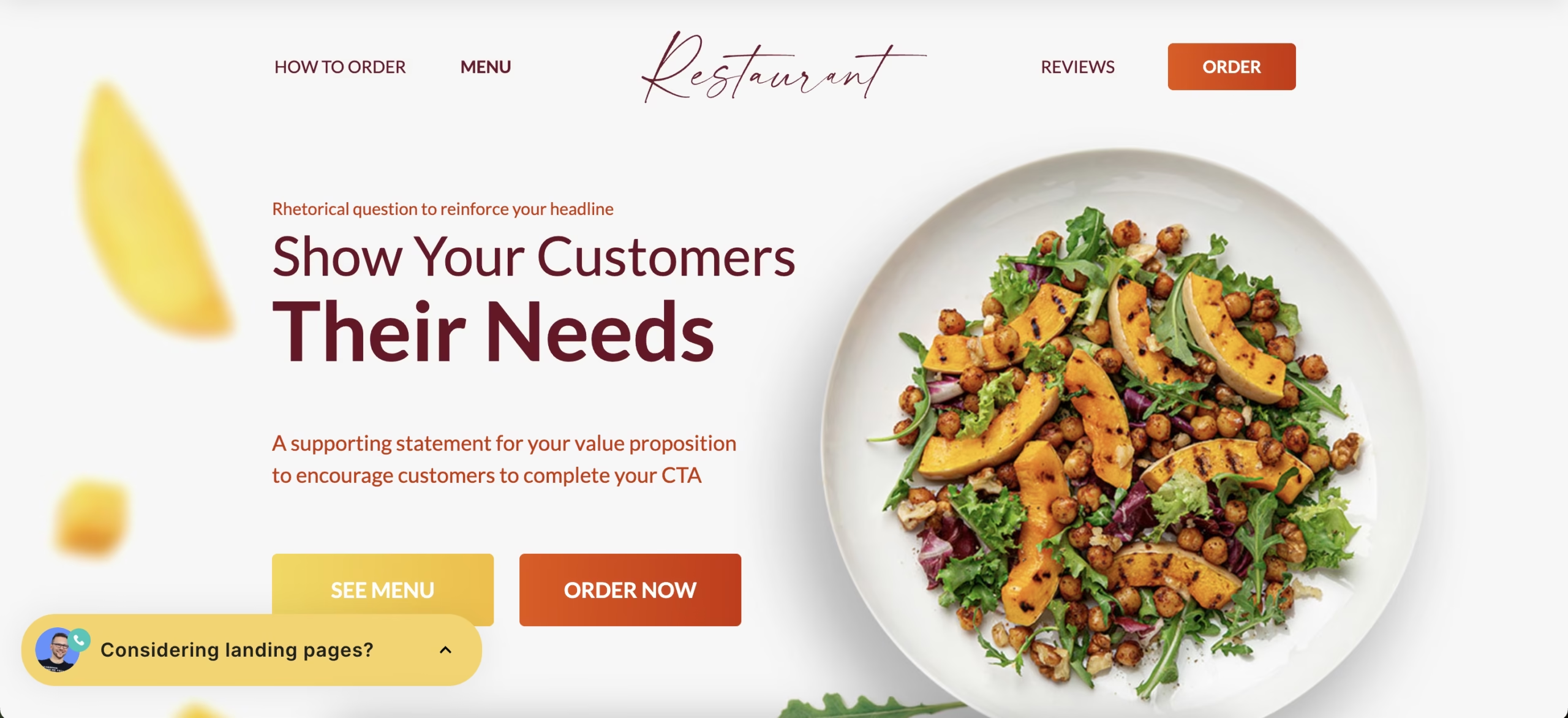
What I like about this template is how quickly it communicates the purpose of the page. The hero section immediately places the restaurant experience front and center with a large background image and a clear “Book Online” button, making it obvious what visitors are expected to do.
The design also works well for restaurants because it relies heavily on visual storytelling. Food photos, atmosphere shots, and menu previews are placed throughout the page, which helps visitors imagine the dining experience before they even arrive.
Another thing that works nicely is the flow of the page. Visitors first see the restaurant introduction, then explore food highlights, and eventually reach the booking section. This progression mirrors how people usually decide where to eat: they want to see the food, understand the vibe, and only then commit to making a reservation.
Overall, this template is a strong choice for restaurants that want a clean, modern landing page focused on showcasing food and encouraging table reservations.
2. Visual-First Restaurant Landing Page Template
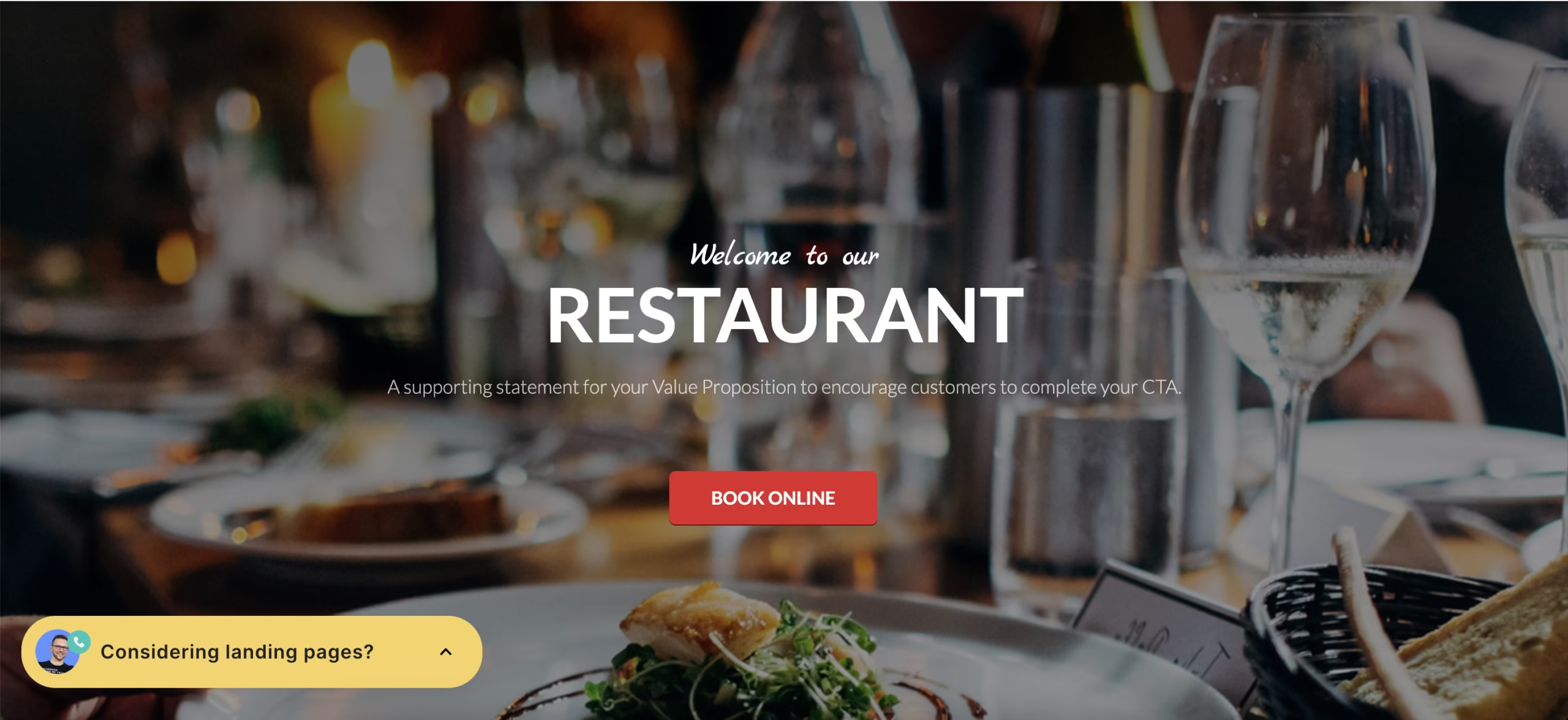
What stands out immediately in this template is how strongly it relies on large food imagery to sell the experience. Restaurants live or die by presentation, and the full-width hero image combined with the “Book Online” call-to-action creates an emotional first impression before visitors even start reading.
Another thing I like is how the page balances visual content with decision-making elements. Instead of overwhelming visitors with a long menu, it highlights selected dishes with images and short descriptions. This works well because most customers only want a quick idea of what the restaurant offers before deciding whether it’s worth visiting.
The template also does a good job guiding users toward one main conversion goal — booking a table. The reservation section appears after visitors have seen the food, the story of the restaurant, and the menu highlights. By the time they reach the booking form, they’ve already built enough interest to take action.
Overall, this design works particularly well for restaurants that rely on atmosphere, food visuals, and a smooth reservation flow to convert website visitors into actual diners.
3. Clean Restaurant Landing Page Template With Food Showcase
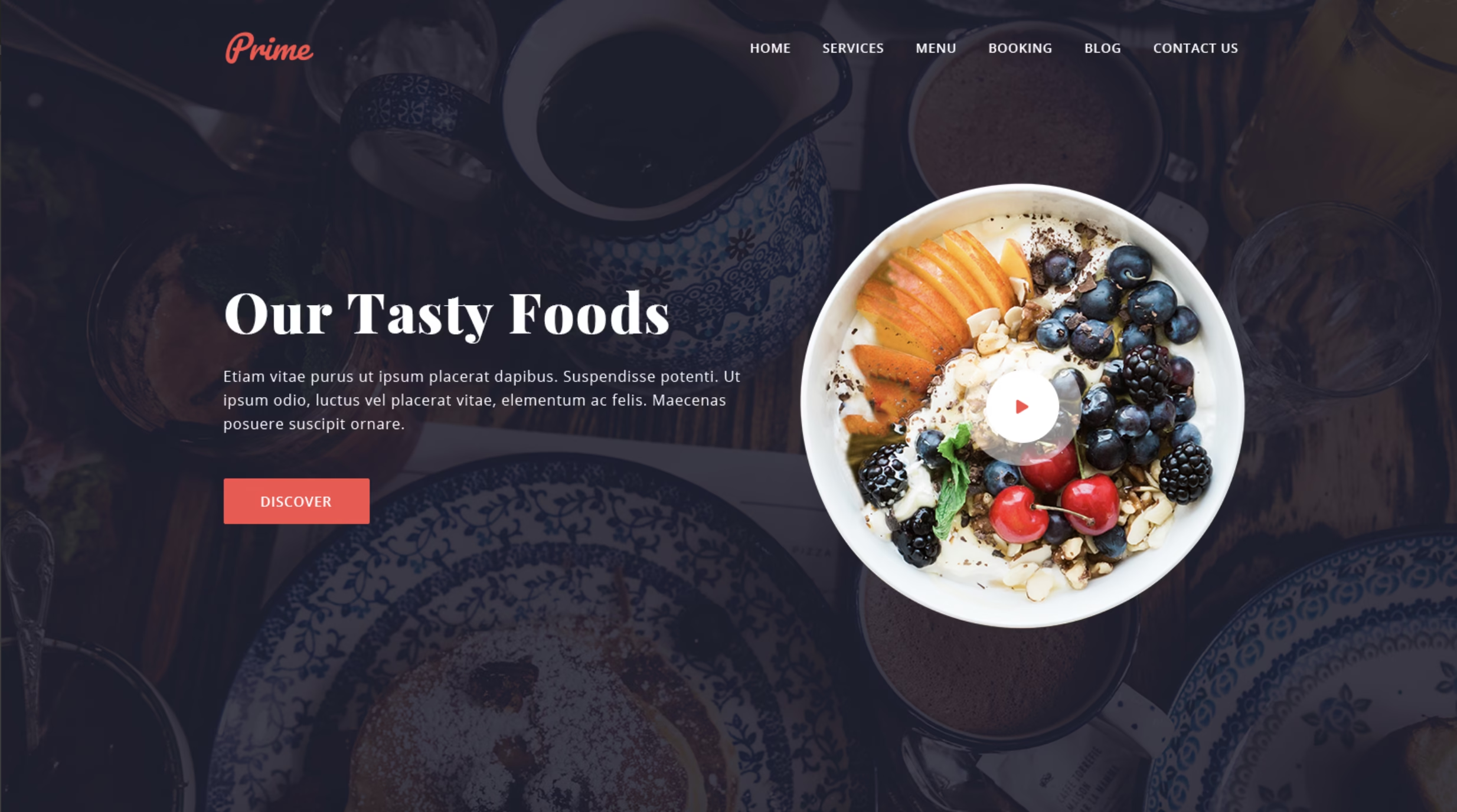
What stood out to me in this template is the clean and modern layout combined with strong food visuals. The hero section immediately introduces the restaurant with a large food image and a simple headline, which works well for grabbing attention without overwhelming visitors.
Another thing I like is how the design highlights food discovery. The “Our Tasty Foods” section uses large product-style images that make dishes look appealing, which is important because food photography often drives customer decisions when choosing a restaurant.
The template also includes a blog section, which is something many restaurant templates skip. This can be useful for restaurants that want to share recipes, food stories, or updates about new menu items and events.
Navigation is also very straightforward. Visitors can quickly jump to menu, booking, services, or contact, which helps users find what they need without scrolling through the entire page.
Overall, this template works well for restaurants that want a visually polished landing page with space for content, storytelling, and menu highlights.
4. Online Ordering Restaurant Landing Page Template
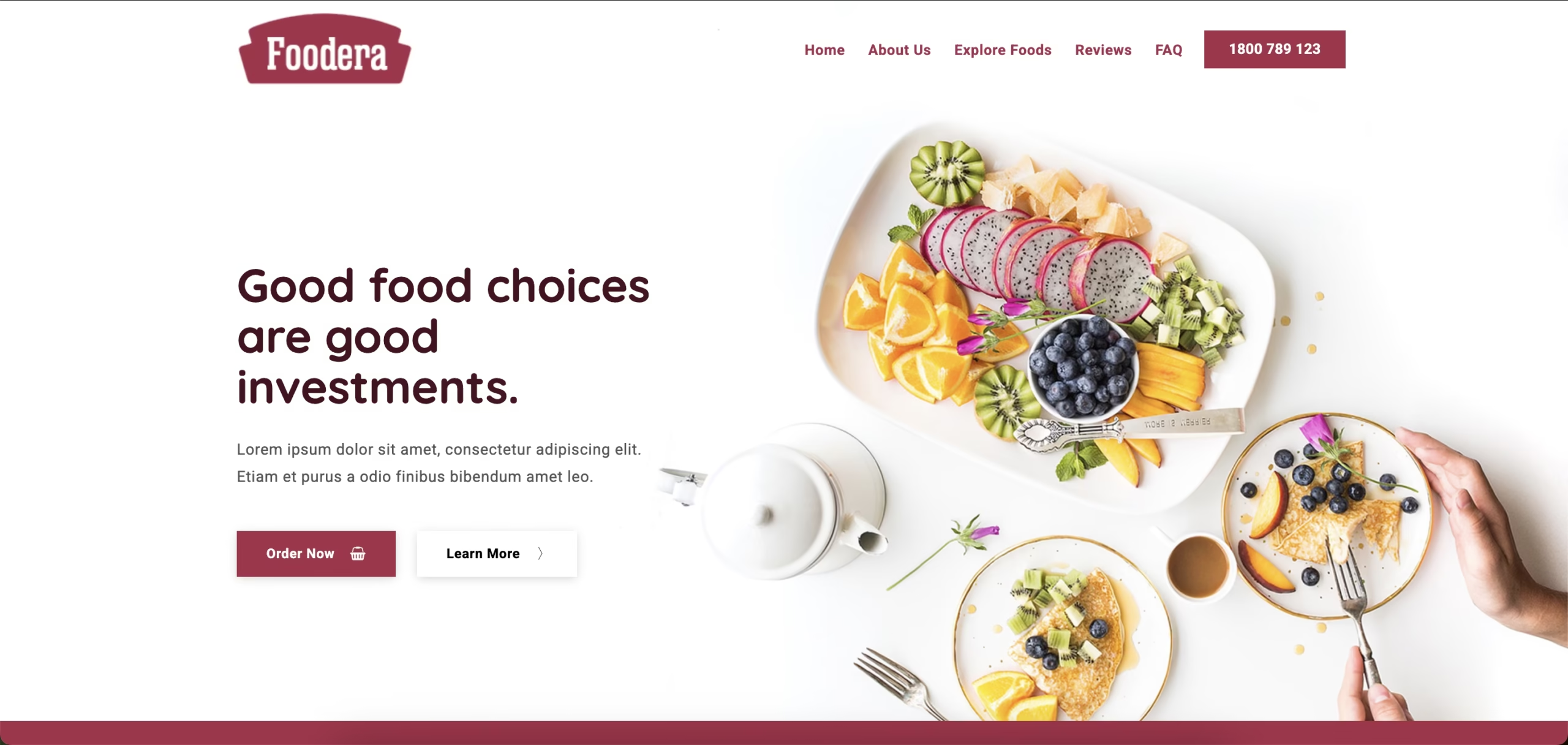
What I like about this template is how conversion-focused the layout feels from the start. The hero section is clean and simple, with a large food visual and a clear “Order Now” call to action, which makes it obvious what visitors should do next.
Another strong point is how the template presents the menu items visually. The “Explore Our Foods” section shows dishes with images, preparation time, and pricing. This makes the menu easier to scan and helps visitors quickly decide what they want to order.
The template also includes multiple trust and engagement sections, such as testimonials, FAQs, and a story section. These elements help restaurants answer common questions, build credibility, and give visitors a better sense of the brand.
I also like the email subscription section offering a discount. Restaurants often use offers like this to bring customers back, and the layout makes it easy to collect emails for promotions or newsletters.
Overall, this template works well for restaurants that want a simple landing page focused on online ordering, menu discovery, and customer engagement without adding unnecessary complexity.
5. Stylish Restaurant Landing Page Template for Reservations
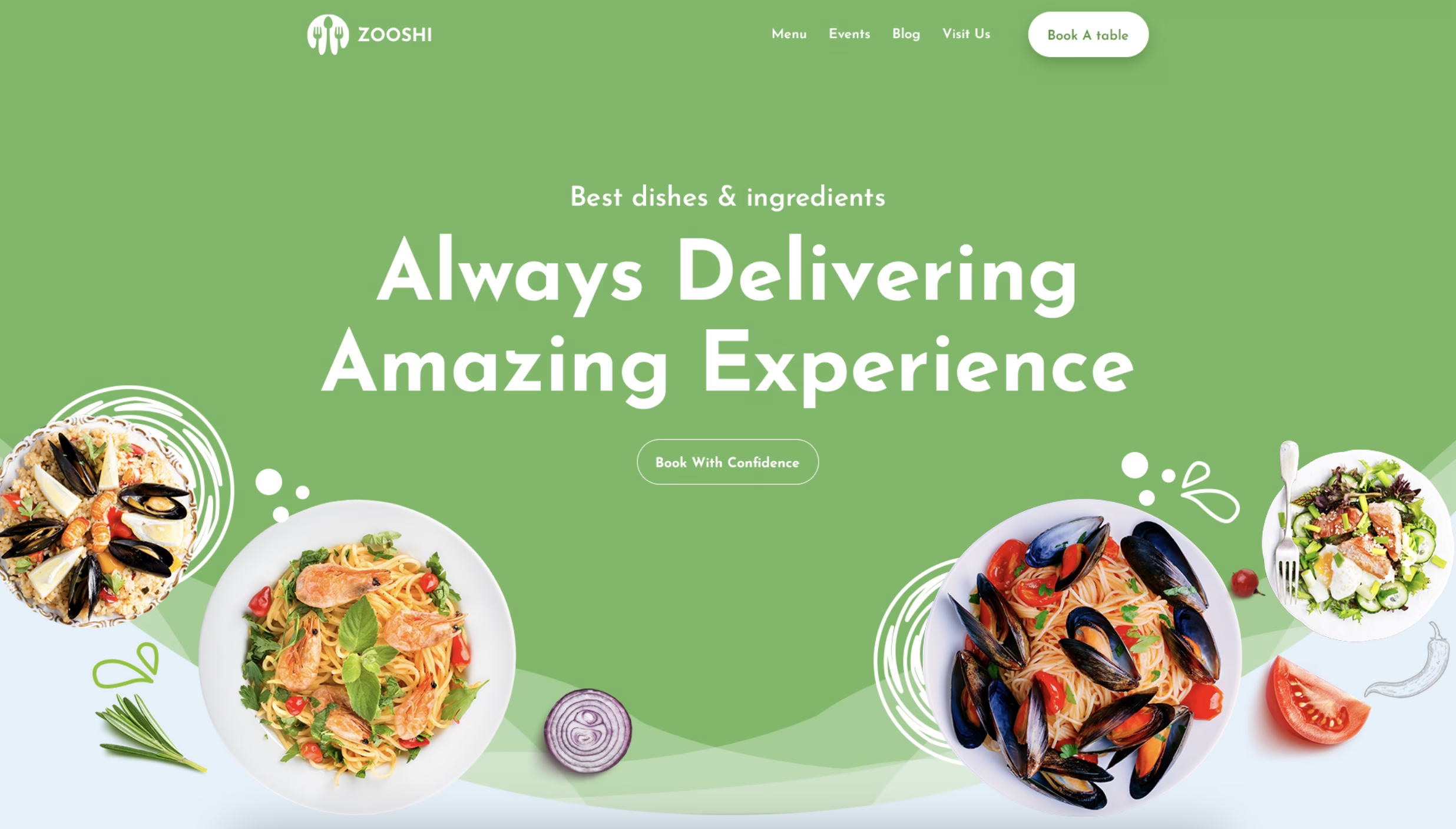
What caught my attention in this template is the strong visual style and vibrant layout. The green color scheme combined with floating food visuals gives the page a lively feel, which works well for restaurants that want a brand identity that feels energetic and modern.
The hero section is also designed around table reservations, with a clear “Book a table” call to action in the navigation and hero area. For restaurants that rely on dine-in customers, this makes the main action very clear from the moment someone lands on the page.
Another thing I like is how the design focuses on storytelling and brand experience. Instead of just showing menu items, the layout emphasizes the restaurant’s atmosphere and presentation style, which can help restaurants position themselves as a premium or experience-driven dining place.
Since this template comes as a PSD layout, it also gives designers more flexibility to customize colors, typography, and visuals before turning it into a live website.
Overall, this template works well for restaurants that want a stylish, design-driven landing page focused on branding and reservations rather than just online ordering.
6. Interactive Menu Restaurant Landing Page Template
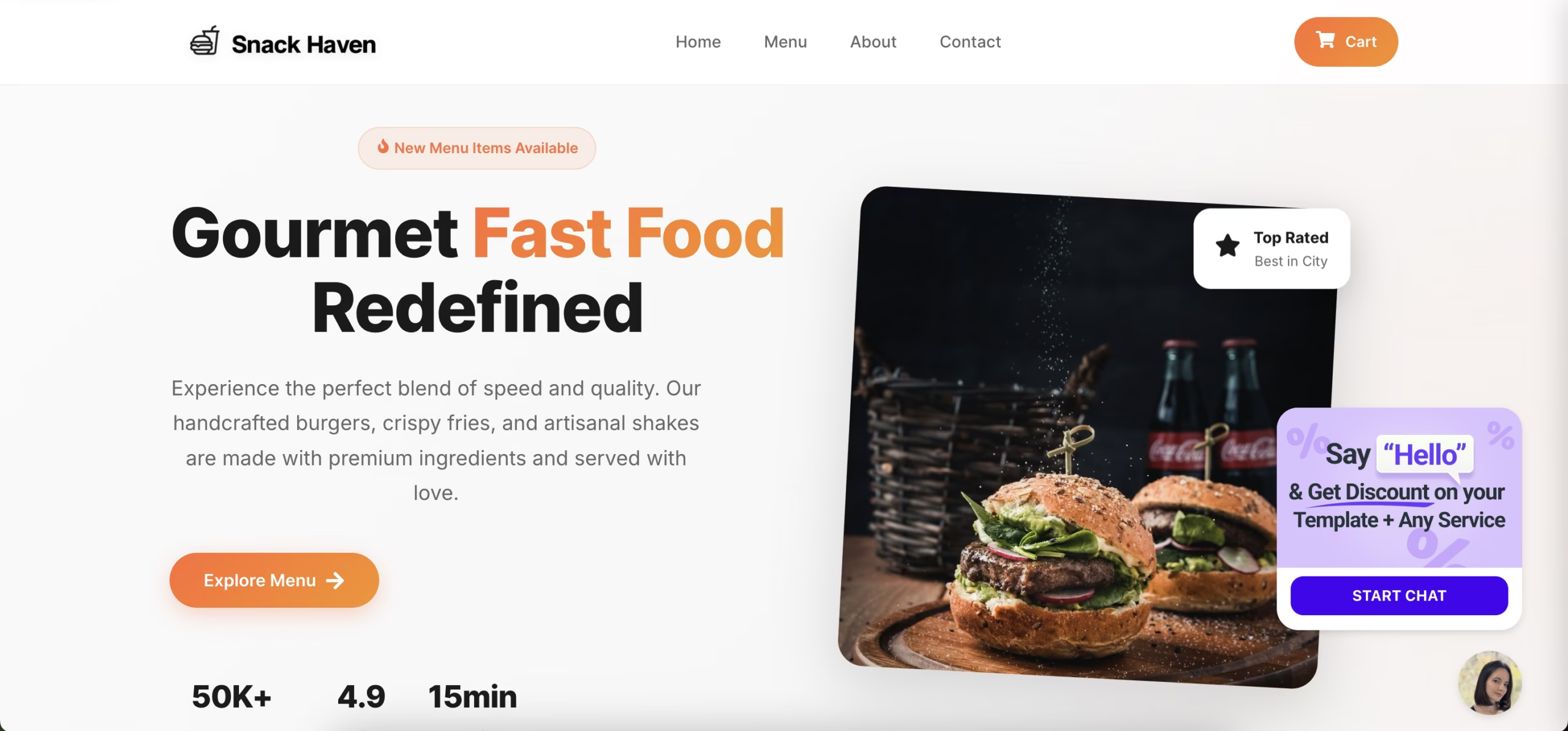
Snack Haven is built around online ordering and menu discovery, which makes it a strong choice for restaurants that want their landing page to drive quick customer actions. The hero section introduces the food immediately and guides visitors toward the menu with a clear Explore Menu button, helping reduce friction for people who just want to browse dishes.
One thing I appreciate in this restaurant landing page template is the detailed menu card layout. Each dish shows pricing, ratings, preparation time, calories, and dietary notes. This gives customers useful information before ordering and makes the menu feel more interactive than a typical static list.
Navigation is also well designed. The search bar and category filters allow visitors to quickly find burgers, sides, drinks, desserts, or salads. For restaurants with larger menus, this kind of filtering improves usability and keeps visitors from feeling overwhelmed.
The template also includes strong trust and conversion elements, such as customer testimonials, ratings, and statistics that highlight popularity. Combined with the location map and contact details, the layout makes it easy for customers to either visit the restaurant or place an order online.
Overall, Snack Haven works well for restaurants that want a modern restaurant landing page template focused on menu browsing, quick ordering, and customer convenience.
7. Restaurant Catering Landing Page Template
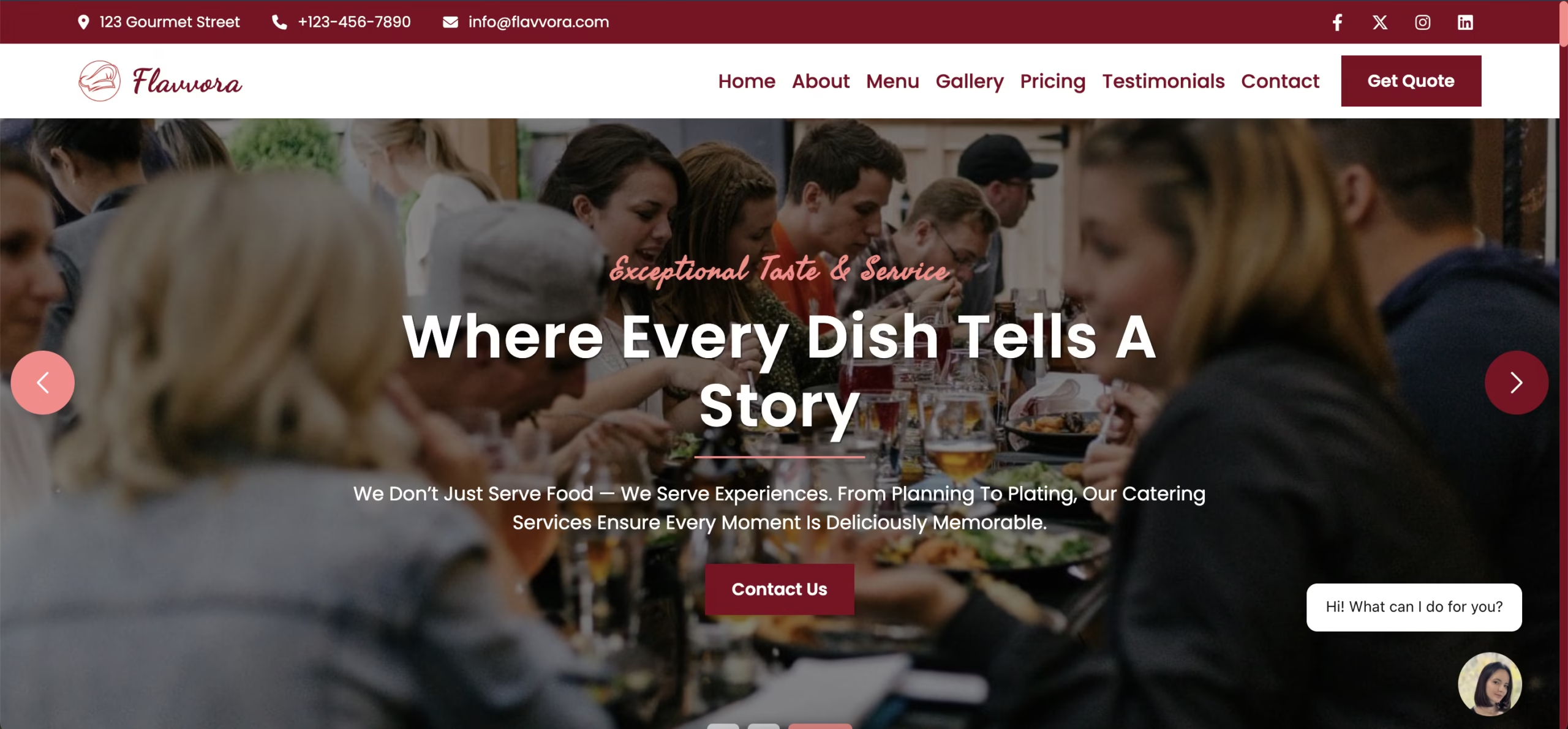
Flavvora is clearly designed for restaurants that offer catering and event services. The hero section immediately communicates the purpose of the business, making it clear that the restaurant specializes in events, celebrations, and private gatherings.
One thing this restaurant landing page template does well is guide visitors toward booking. Sections like services, pricing packages, testimonials, and the event reservation form naturally move users from learning about the catering service to requesting a quote.
The menu layout is also clean and easy to browse, with category tabs for appetizers, main courses, desserts, and beverages. This helps restaurants showcase their dishes without cluttering the page.
Overall, Flavvora works well as a restaurant catering landing page template, especially for businesses that want to promote event services and capture booking inquiries directly from the page.
8. Bakery Restaurant Landing Page Template
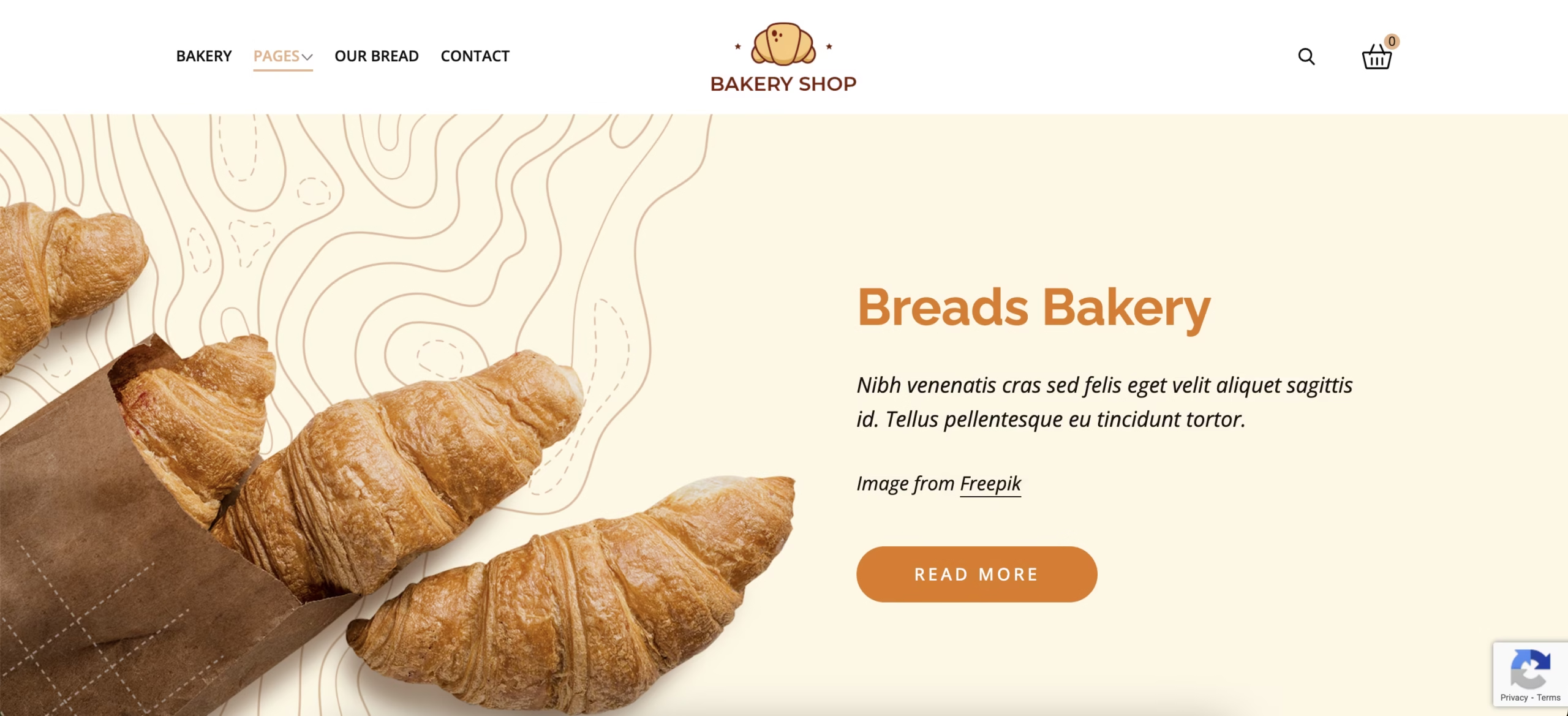
This restaurant landing page template works particularly well for bakeries, pastry shops, and small dessert brands. The hero section immediately highlights freshness with the message “Roll, proof, and bake. Every day.”, which clearly communicates the bakery’s value.
The template also makes browsing products simple. Bread items like croissants, rye bread, and ciabatta are displayed in clean product cards with pricing and add-to-cart buttons, making it suitable for bakeries that want to sell online.
Another useful element is the services section, which separates breads, pastries, cakes, and pizza. This helps visitors quickly understand what the bakery offers without digging through a long menu.
Overall, this template is a strong option for bakery-style restaurant landing pages that need to showcase products, highlight freshness, and enable quick ordering.
Conclusion
Choosing the right restaurant landing page template can make a big difference in how visitors experience your brand and whether they decide to order, book a table, or explore your menu. A good template should highlight your food visuals, clearly present your menu, and guide visitors toward actions like reservations or online orders.
The restaurant landing page templates listed above offer a range of styles, from modern restaurant layouts to bakery and catering-focused designs. The key is selecting a template that matches your restaurant’s concept, supports your marketing goals, and makes it easy for customers to take the next step.
With the right template in place, you can launch a professional restaurant landing page faster and focus on what matters most: serving great food and creating memorable experiences for your customers.
Frequently Asked Questions
What is a restaurant landing page template?
A restaurant landing page template is a pre-designed web page layout created specifically for restaurants. It typically includes sections for food images, menu highlights, reservations, contact details, and calls to action like booking a table or ordering online.
Why should restaurants use landing page templates?
Landing page templates save time and simplify website creation. Instead of designing a page from scratch, restaurants can use a ready-made layout that already includes the elements needed to attract visitors and convert them into customers.
What should a good restaurant landing page include?
A strong restaurant landing page usually includes a hero section with food visuals, a menu preview, reservation or order buttons, customer reviews, location details, and clear calls to action that guide visitors to book or order.
Are restaurant landing page templates customizable?
Yes. Most restaurant landing page templates can be customized. You can change colors, images, menu items, branding, and text to match your restaurant’s identity and marketing goals.
Can restaurant landing pages help increase reservations?
Yes. A well-designed landing page can improve reservations by clearly presenting your menu, showcasing food visuals, and making it easy for visitors to book a table or place an order.