Many small businesses spend time and money driving traffic to their websites through ads, social media, or email campaigns as part of their landing page marketing strategy.
But I often notice the same mistake: sending visitors to a homepage with too many links and distractions. Instead of guiding people toward one action, the page makes them browse, and many leave without converting.
That’s why I prefer using dedicated landing pages. A landing page focuses on one goal, whether it’s capturing leads, promoting a service, or encouraging sign-ups. This focused approach can make a big difference. In fact, businesses with 10–15 landing pages generate about 55% more leads than those with fewer pages.
In this article, I’ll explain why dedicated landing pages matter for small businesses and how they can help turn more visitors into customers.
What Is a Dedicated Landing Page?
A dedicated landing page is a standalone web page designed for one specific goal, such as generating leads, promoting a service, or encouraging visitors to sign up for an offer.
Unlike a homepage or regular website page, it usually removes extra navigation links and distractions, helping visitors focus on one clear action.
I typically use dedicated landing pages for marketing campaigns, ads, or special promotions. In many landing pages marketing strategies, these focused pages are designed to convert visitors instead of making them browse the entire website.
Because the message is focused and the page has fewer distractions, landing pages often perform better for conversions than general website pages.
Why Small Businesses Struggle to Convert Website Visitors
Small businesses often focus heavily on driving traffic to their websites through ads, social media, or search. But getting visitors to the site is only part of the challenge. Turning those visitors into leads or customers is where many businesses struggle.
According to WordStream, the average landing page conversion rate across industries is about 2.35%, which shows how challenging it can be to convert website visitors.
Too many distractions on the page
Many small business websites try to show everything at once: services, blog posts, navigation menus, and multiple links. When visitors see too many options, they often browse briefly and leave without taking action.
No clear next step for visitors
If visitors cannot quickly understand what they should do next, request a quote, book a call, or sign up, they usually move on. A lack of a clear call-to-action makes it harder to turn traffic into leads.
The page doesn’t match visitor intent
Someone who clicks on an ad or search result usually expects a specific solution. When they land on a general homepage instead of a focused page, the message often feels disconnected from what they were looking for.
Too much information, too quickly
Many websites overwhelm visitors with long explanations or multiple sections. Most people decide whether to stay on a page within a few seconds, so clarity matters more than volume.
Pages are built to inform, not convert
A typical website page is designed to explain a business and its services. But converting visitors often requires a more focused experience built around one goal.
Why Sending Traffic to a Homepage Often Reduces Conversions
A homepage is usually designed to introduce a business, not to drive a single action. It often includes multiple sections, navigation links, and different services, which encourages visitors to explore rather than convert.
When someone clicks an ad or marketing campaign, they are usually looking for a specific solution. If they land on a general homepage instead of a focused page that matches their intent, they may need to search for the right information.
Each extra step increases the chance that the visitor leaves without taking action, which is why many marketers send campaign traffic to dedicated landing pages instead.
How Dedicated Landing Pages Help Small Businesses Generate More Leads
They turn campaigns into measurable lead sources
When I run ads, email campaigns, or promotions, sending traffic to a dedicated landing page makes it easier to track exactly how many leads come from that campaign.
They allow businesses to promote one specific offer
Instead of talking about the entire business, a landing page can highlight a single offer, such as a free consultation, discount, or service package. This makes the value clearer for visitors.
They make it easier to test and improve campaigns
With dedicated landing pages, I can test different headlines, offers, or forms to see what generates more leads. Small improvements can significantly increase conversion rates over time.
They simplify the lead capture process
Landing pages usually include simple forms or clear call-to-action buttons that allow visitors to quickly request information, book a service, or sign up.
Example of a Dedicated Landing Page for a Small Business
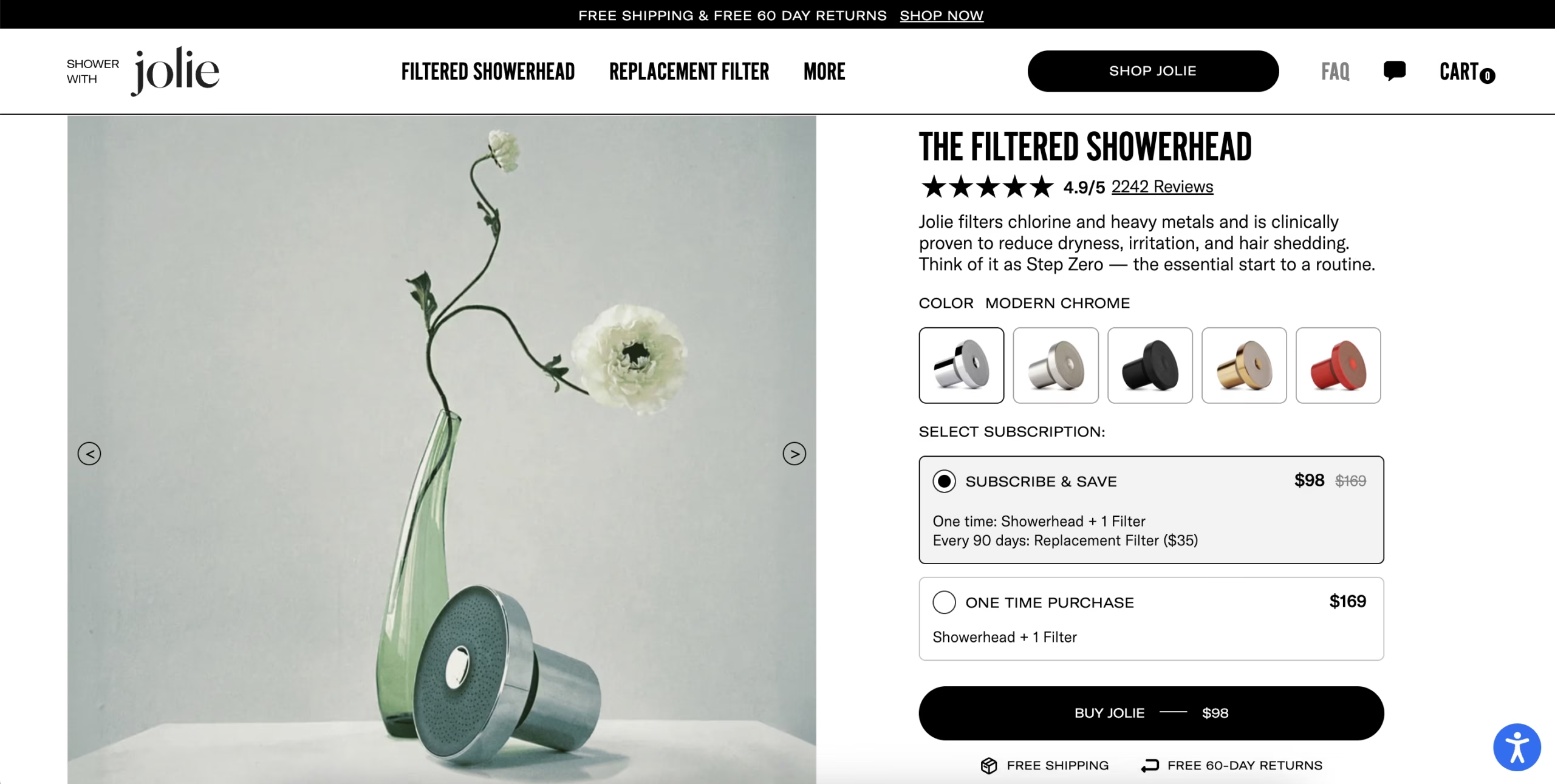
For example, if I run a beauty or skincare brand like Jolie, I wouldn’t send ad traffic to the homepage where visitors have to browse multiple products. Instead, I would create a dedicated landing page for a campaign promoting the Jolie Filtered Showerhead.
The page could highlight the main benefit, removing chlorine and contaminants from shower water to improve skin and hair health. It could also include a short explanation of how the product works, customer reviews, and a clear call-to-action like “Buy Jolie.”
This focused page helps visitors quickly understand the offer and take action without getting distracted by other products.
Dedicated Landing Pages vs Regular Website Pages
| Aspect | Dedicated Landing Page | Regular Website Page |
| Purpose | Designed for one specific goal such as lead generation, sign-ups, or promotions. | Designed to provide general information about the business, services, or resources. |
| Focus | Focuses on one clear action for visitors to take. | Presents multiple sections and information for visitors to explore. |
| Navigation | Usually removes navigation menus and extra links to reduce distractions. | Includes full navigation menus and multiple internal links. |
| Use Case | Commonly used for ads, campaigns, or special offers. | Used for service pages, product pages, blog posts, and company information. |
| User Journey | Guides visitors directly toward completing a form, booking, or sign-up. | Encourages visitors to browse and learn more about the business. |
Essential Elements of a High-Converting Dedicated Landing Page
A clear, benefit-focused headline
The headline is usually the first thing visitors see. It should quickly explain what the offer is and why it matters to the visitor.
A short explanation of the offer
A brief description helps visitors understand the product, service, or promotion. The goal is to communicate the value clearly without overwhelming the reader with too much text.
A strong call-to-action (CTA)
Every landing page should guide visitors toward one clear action, such as requesting a quote, signing up, or booking a consultation.
A simple lead form
Short forms with only essential fields make it easier for visitors to submit their details and complete the action.
Trust signals
Testimonials, reviews, certifications, or client logos can help build credibility and make visitors feel more confident about taking the next step.
Conclusion
Driving traffic to a website is only part of the challenge for small businesses. The real impact comes from turning those visitors into leads or customers. That’s where dedicated landing pages can make a meaningful difference.
By focusing on one clear goal, matching the message of a campaign, and simplifying the path to action, landing pages help guide visitors toward taking the next step. Instead of asking people to browse an entire website, a well-structured landing page presents the most relevant information and encourages them to act.
For many small businesses, adding dedicated landing pages to marketing campaigns can be a simple but effective way to improve conversions and generate more leads from the traffic they already receive.
Frequently Asked Questions
What is the purpose of a dedicated landing page?
The purpose of a dedicated landing page is to guide visitors toward one specific action, such as signing up, requesting a quote, or downloading a resource. Unlike regular website pages, it focuses on conversions rather than general information.
How is a landing page different from a homepage?
A homepage usually introduces a business and includes multiple sections and navigation links. A landing page removes most distractions and focuses on a single goal, helping visitors complete a specific action.
Do small businesses really need landing pages?
Yes, landing pages can help small businesses improve conversions from ads, email campaigns, and promotions. By directing visitors to a focused page instead of a general website page, businesses can capture more leads.
When should a business use a dedicated landing page?
Businesses typically use landing pages for marketing campaigns, paid ads, product promotions, event registrations, or lead generation offers.
How many landing pages should a business have?
The number depends on the campaigns and offers being promoted. However, research from HubSpot shows that companies with 10–15 landing pages can generate significantly more leads than those with only a few pages.