When someone clicks an ad, download link, or campaign email, they usually land on a page designed to convert them into a lead or customer. Two terms that often come up in this context are squeeze pages and landing pages.
While they sound similar, they are not exactly the same. A squeeze page focuses on collecting a visitor’s contact information, usually an email address, while a landing page can support broader goals such as sign-ups, product purchases, or demo requests.
Understanding the difference helps you choose the right page for your campaign. In this guide, we’ll break down the squeeze page vs landing page, their key differences, and when each one works best.
What Is a Squeeze Page?

A squeeze page is a simple type of landing page designed to collect a visitor’s contact information, usually an email address. Its main goal is to convert visitors into leads by offering something valuable in return, such as a free guide, checklist, discount, or webinar.
Unlike traditional pages, squeeze pages remove most distractions. They usually contain a short headline, a brief explanation of the offer, and a form asking for minimal information. The idea is to keep the page focused so visitors quickly decide whether to sign up.
Marketers commonly use squeeze pages to build email lists, distribute lead magnets, and start nurturing potential customers through follow-up emails. Email marketing remains one of the highest-ROI channels, generating an average return of about $36 for every $1 spent, which is why many businesses prioritize collecting email leads early.
What Is a Landing Page?
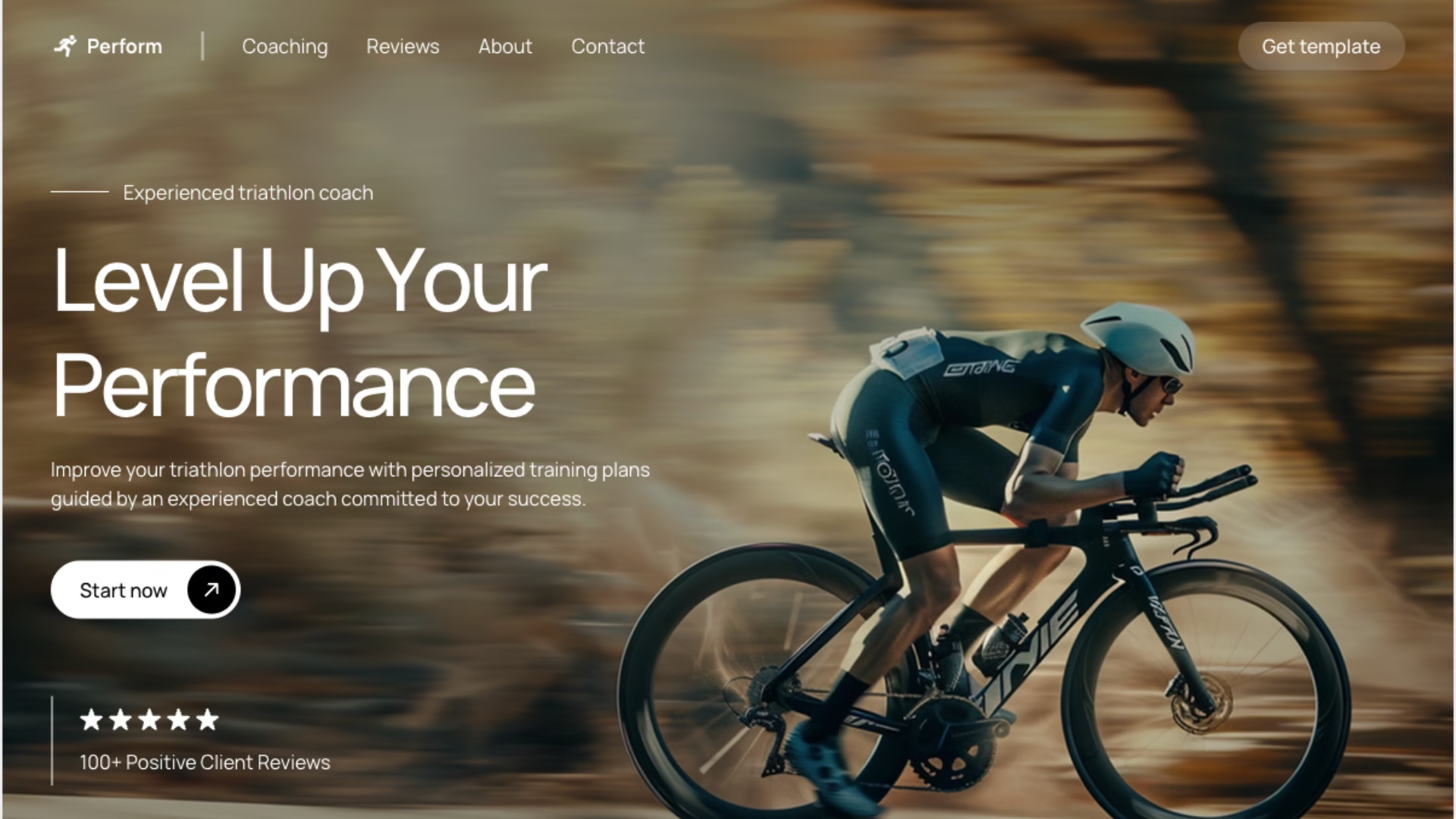
A landing page is a standalone web page designed to convert visitors into leads or customers. People typically arrive on a landing page after clicking an ad, email link, or marketing campaign. According to HubSpot, the average landing page conversion rate across industries is around 5–10%, depending on the offer and traffic quality.
Unlike a squeeze page, a landing page can support different goals such as signing up for a service, requesting a demo, downloading a resource, or making a purchase. Because of this, landing pages often include more information like product details, benefits, testimonials, and clear calls to action.
The main purpose of a landing page is to guide visitors toward a specific action while keeping the experience focused and free from unnecessary distractions.
Squeeze Page vs Landing Page: Key Differences
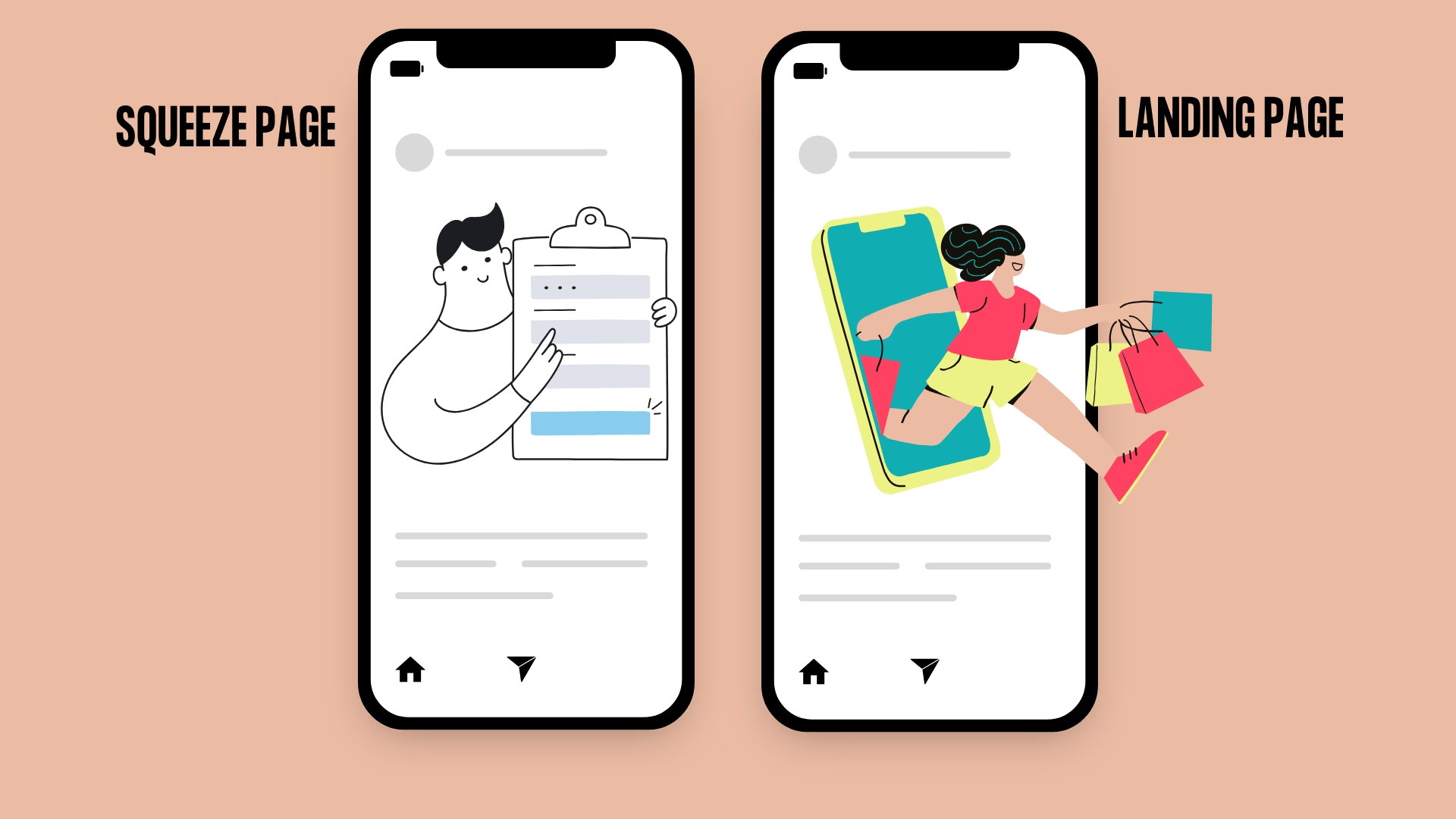
While both squeeze pages and landing pages are designed to convert visitors, they serve slightly different purposes in a marketing funnel. A squeeze page focuses on capturing contact information, usually an email address, while a landing page can support a wider range of goals such as sign-ups, demo requests, or product purchases.
The biggest difference lies in how much information the page provides and what action it encourages visitors to take. Squeeze pages are typically short and highly focused on a single form, whereas landing pages may include more content, persuasion elements, and multiple sections to explain an offer.
Understanding these differences helps marketers choose the right page type depending on whether the goal is lead generation or a broader conversion action.
Squeeze Page vs Landing Page: Comparison Table
| Feature | Squeeze Page | Landing Page |
| Primary Goal | Capture email addresses or basic lead information | Drive a specific action such as sign-ups, purchases, or demo requests |
| Content Length | Very short and minimal | Can be short or long depending on the offer |
| Information Collected | Usually just an email address | May collect multiple details such as name, email, company, or phone |
| Page Structure | Simple layout with a headline, short text, and form | Structured with sections like benefits, features, testimonials, and CTA |
| Distractions | Very few elements to keep focus on the form | Limited distractions but may include more supporting content |
| Typical Use | Lead magnets, newsletter sign-ups, free downloads | Product promotions, service sign-ups, ad campaigns |
| Traffic Sources | Often from ads, email campaigns, or social media | Can come from ads, email, search engines, or referral traffic |
This comparison helps highlight that squeeze pages are highly focused on lead capture, while landing pages are designed to support broader conversion goals. In many marketing funnels, squeeze pages appear at the top of the funnel to collect leads, while landing pages help convert those leads into customers later in the journey.
When Should You Use a Squeeze Page?
A squeeze page works best when your main goal is lead generation rather than immediate sales. Because the page is simple and focused, it encourages visitors to submit their contact details quickly without distractions.
You should use a squeeze page when:
- You want to build an email list
- You’re offering a lead magnet such as a free ebook, checklist, or template
- You’re promoting a webinar or newsletter signup
- You want to capture leads before sending visitors to a sales page
- Your campaign goal is collecting leads for follow-up marketing
In short, squeeze pages are ideal when you want to capture contact information first and nurture the lead later through email campaigns or marketing automation.
When Should You Use a Landing Page?
A landing page works best when your goal is to drive conversions from a specific campaign, such as signing up, requesting a demo, or making a purchase. Unlike squeeze pages, landing pages usually provide more information to help visitors understand the offer and make a decision.
You should use a landing page when:
- You are promoting a product or service
- You want visitors to sign up for a trial or request a demo
- You are running paid advertising campaigns
- You need to explain the value and benefits of an offer
- Your goal is to generate leads or sales from targeted traffic
In short, landing pages are most effective when visitors need more context, persuasion, and information before taking action.
Are Squeeze Pages and Landing Pages Similar?
Yes, squeeze pages and landing pages share several similarities. Both are designed to convert visitors into leads or customers and focus on guiding users toward a specific action.
They also remove many common website distractions, such as navigation menus or unnecessary links, so visitors stay focused on the main call to action. In most cases, both page types use clear headlines, persuasive copy, and a strong CTA to encourage conversions.
The main difference is their scope and purpose, but at their core, both squeeze pages and landing pages are built to turn traffic into measurable results.
Pros and Cons of Squeeze Pages vs Landing Pages
Both squeeze pages and landing pages are designed to drive conversions, but each comes with its own advantages and limitations depending on your marketing goal.
Pros of Squeeze Pages
- Simple and highly focused on one action
- Effective for building email lists quickly
- Minimal distractions improve conversion rates
- Easy and fast to create
Cons of Squeeze Pages
- Limited space to explain an offer
- May not work well for complex products or services
- Visitors may hesitate if there isn’t enough information
Pros of Landing Pages
- Allow more detailed explanations of an offer
- Better suited for selling products or promoting services
- Can include trust elements like testimonials and benefits
- Flexible structure for different marketing campaigns
Cons of Landing Pages
- Can become too long or distracting if not designed carefully
- May require more time and effort to build
- Too much content can sometimes reduce focus on the main CTA
Which One Should You Choose?
The choice between a squeeze page and a landing page depends on your campaign goal and where visitors are in the marketing funnel.
If your priority is collecting email addresses and building a lead list, a squeeze page is usually the better option. Its simple design and minimal form fields make it easier for visitors to sign up quickly.
If your goal is to promote a product, explain an offer, or drive a specific conversion, a landing page is often more effective. The additional space allows you to present benefits, build trust, and guide visitors toward taking action.
In many marketing funnels, both page types work together. A squeeze page captures the lead first, and a landing page later helps convert that lead into a customer.
Conclusion
Squeeze pages and landing pages are both designed to convert visitors, but they serve different purposes. A squeeze page focuses on capturing contact information, usually through a simple form and minimal content. A landing page, on the other hand, can support broader conversion goals such as sign-ups, demo requests, or product purchases.
Choosing the right one depends on your campaign objective. If your goal is to build an email list quickly, a squeeze page works best. If you need to explain an offer and drive a specific action, a landing page is usually the better choice.
Understanding how each page works helps you create more effective marketing funnels and turn more visitors into leads or customers.
Frequently Asked Questions
Is a squeeze page the same as a landing page?
No. A squeeze page is a type of landing page specifically designed to capture a visitor’s contact information, usually an email address. A landing page can have broader goals such as promoting a product, collecting leads, or driving sales.
Why is it called a squeeze page?
The term “squeeze page” comes from the idea of “squeezing” an email address or contact detail from a visitor in exchange for something valuable, such as a free guide, checklist, or webinar.
Do squeeze pages convert better than landing pages?
Squeeze pages can convert well for lead generation because they are simple and focused. However, landing pages may perform better when visitors need more information before taking action.
Can a squeeze page rank on Google?
Squeeze pages are usually used in paid campaigns or email marketing and may not always rank well in search engines because they contain minimal content. Landing pages with more information are more likely to rank organically.
What is the main goal of a landing page?
The main goal of a landing page is to guide visitors toward a specific action, such as signing up for a service, requesting a demo, downloading a resource, or making a purchase.